The Dawn of India’s Commercial Space Era: Reflecting on the Vikram-1 Orbital Mission
By Prof. Dr. Yuvraj Gaikwad
Academic & Space Technology Observer
July 2026
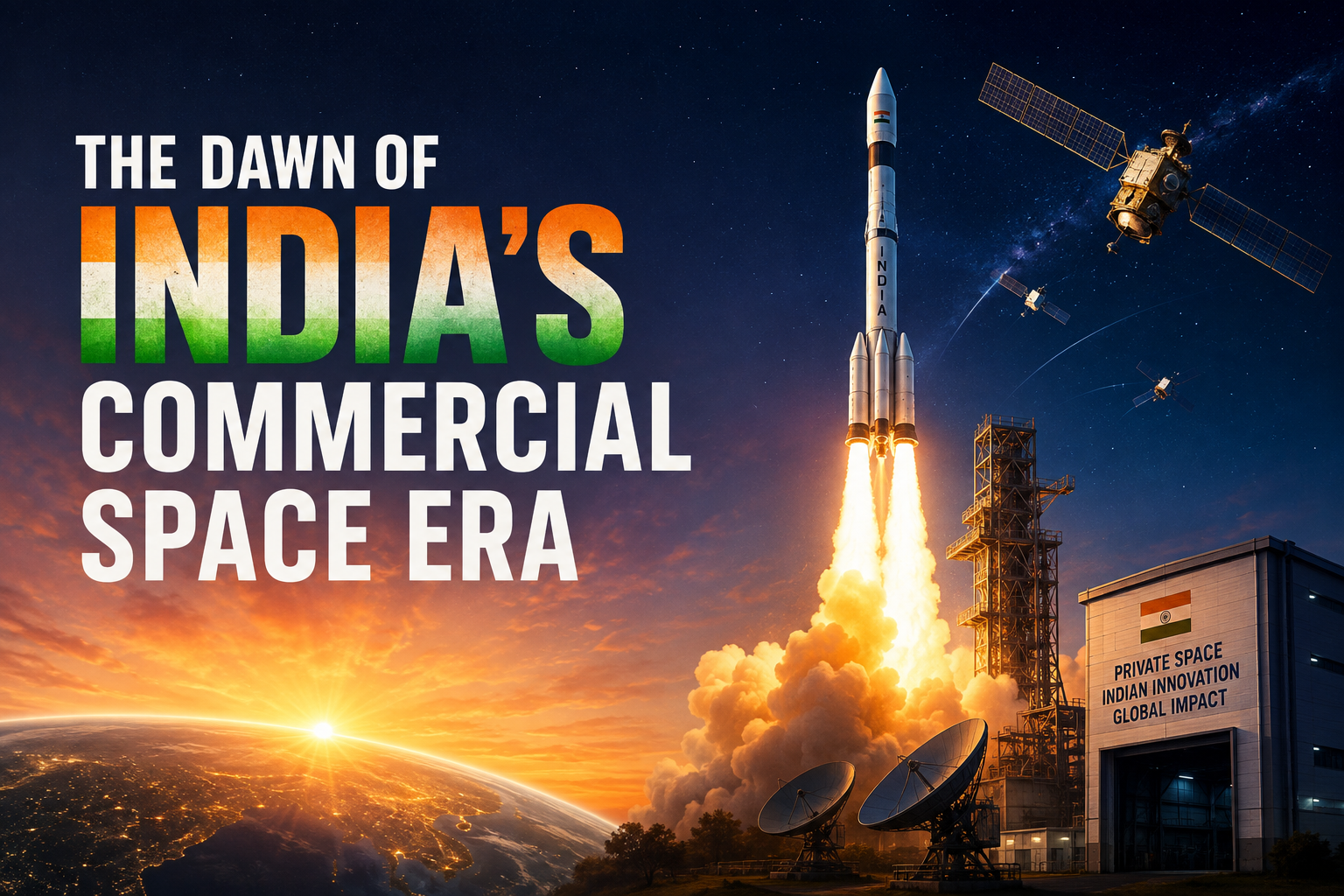
On *July 18, 2026, history was etched into the skies above Sriharikota. As the fiery plume of *Vikram-1 pierced through the afternoon sky at 12:05 PM IST, it carried not just satellites, but the soaring ambitions of a nation redefining its space capabilities.
Conducted by Hyderabad-based startup *Skyroot Aerospace, the maiden orbital mission—appropriately titled *Mission Aagaman (“Arrival”)—successfully delivered its payloads into a ~450 km Low Earth Orbit (LEO). With this monumental feat, India officially became the third nation in the world—after the United States and China—to possess private orbital launch capabilities.
┌─────────────────────────────────────────────────────────────────────────┐
│ MISSION AAGAMAN AT A GLANCE │
├────────────────────────────────┬────────────────────────────────────────┤
│ Developer │ Skyroot Aerospace (Hyderabad) │
│ Launch Date │ July 18, 2026 │
│ Launch Site │ Satish Dhawan Space Centre (SDSC-SHAR) │
│ Target Orbit │ ~450 km Low Earth Orbit (LEO) │
│ Architecture │ 4-Stage (3 Solid + 1 Liquid Upper OAM) │
│ Payload Capacity │ ~350 kg to LEO │
└────────────────────────────────┴────────────────────────────────────────┘
1. Engineering Marvel: How Vikram-1 Reached Orbit
Achieving orbit on a maiden flight is an exceptionally rare feat in rocketry. Skyroot’s design choices were crucial to this success:
- Carbon-Composite Structure: Lightweight yet structurally rigid carbon-fiber body structures optimized overall efficiency.
- Kalam Solid Motors: The first three stages relied on solid propulsion motors (Kalam-1200, Kalam-250, and Kalam-100) named in honor of former President Dr. A.P.J. Abdul Kalam.
- Orbital Adjustment Module (OAM): The final liquid-fueled stage utilized a 3D-printed Raman engine. Capable of starting, stopping, and restarting in space, it ensured sub-degree precision during satellite deployment.
2. A Strategic Paradigm Shift: The Role of ISRO & IN-SPACe
While Vikram-1 is a private victory, it serves as a masterclass in public-private collaboration:
- Space Policy Reforms (2020–2023): opening up India’s space infrastructure enabled commercial entities to flourish rather than compete with national assets.
- Infrastructure Access: Authorised by IN-SPACe, Skyroot utilised ISRO’s static test facilities and the First Launch Pad at Sriharikota for staging and launch operations.
- The Global Market: Demand for launching small Earth-observation and communication satellites is at an all-time high. Vikram-1 positions India as an affordable, reliable launch hub for the global commercial market.
3. Key Payloads Onboard Mission Aagaman
Beyond technology demonstration payloads (including Skyroot’s SCOPE satellite and Grahaa Space’s SOLARAS S3), the rocket carried payloads showcasing space sustainability and symbolism:
- Embrace Robotics Demonstrator: Cosmoserve Space’s experimental robotic-arm payload focused on active space-debris capture technologies.
- DCubed Technologies: Advanced deployable structures from Germany.
- Cultural Artifacts: Symbolic items including a lab-grown diamond sculpture (Cosmic Bloom) and handwritten commemorative messages from PM Narendra Modi.
What Lies Ahead?
The success of Mission Aagaman proves that Indian deep-tech startups can engineer, build, and fly orbital-class rockets from home soil. As we look toward regular commercial operations and upgraded variants like Vikram-1U, India’s private space ecosystem has transitioned from promise to reality.
Space is no longer exclusive to sovereign governments—it belongs to the innovators.
- Prof. Dr. Yuvraj Gaikwad
For visual insights into how the launch unfolded at the Satish Dhawan Space Centre, you can watch Skyroot Aerospace’s Vikram-1 launch footage. This footage highlights key milestones from ignition to payload injection during the historic Mission Aagaman flight.
